
Snippets get treated like leftovers. Scraps from the real shoot. Something you throw together after the main event.
That's expensive thinking.
When snippets are made with intention, they're one of the most powerful video formats you have. Not an afterthought. A deliberate strategy.
What social video snippets actually are
Social snippets are short videos. Usually 15 to 60 seconds. They isolate one moment, one idea, one takeaway from a larger body of content.
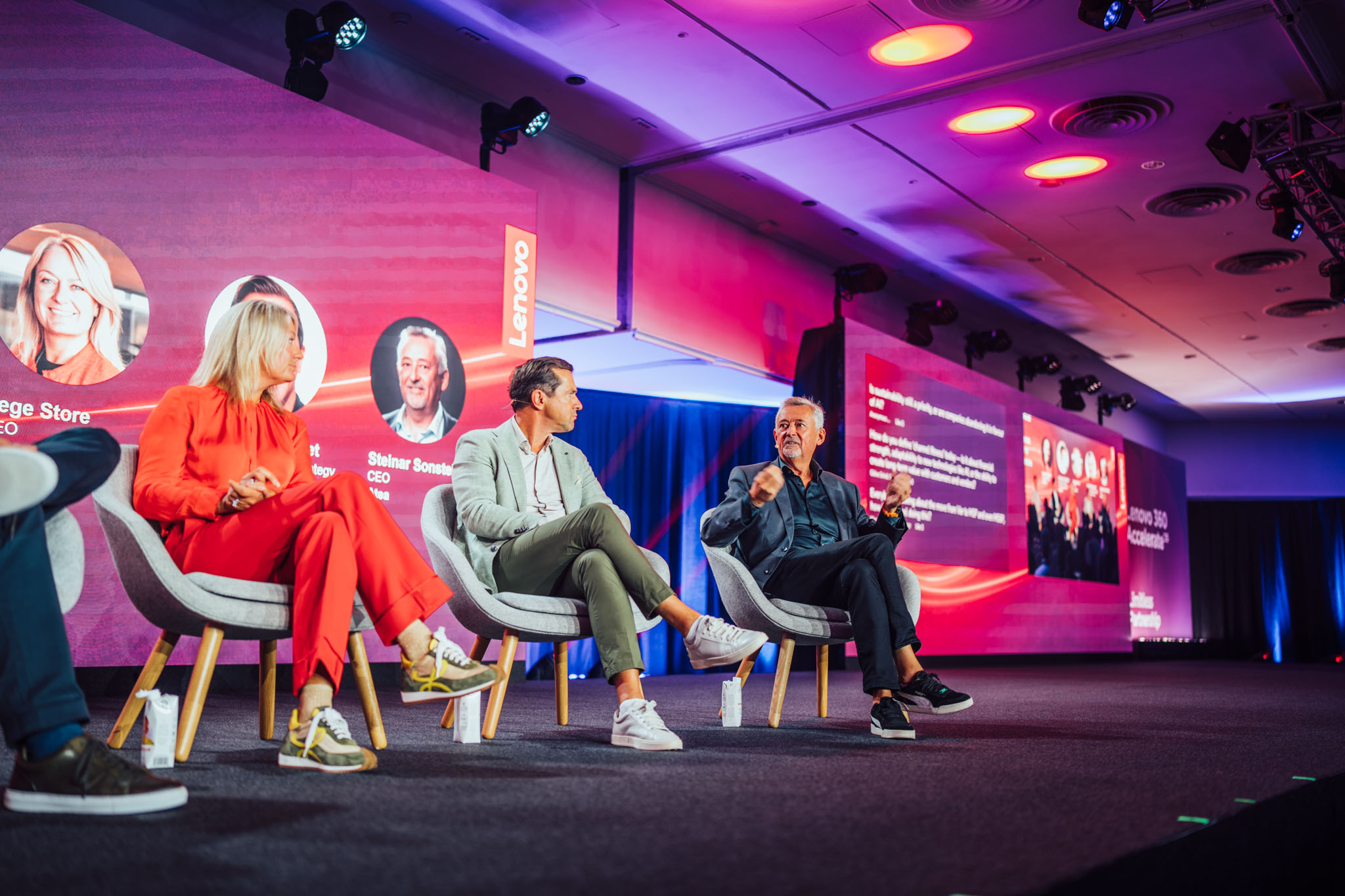
They often come from longer material: interviews, corporate films, case studies. Quick employee quotes. Event highlights. Fast explainers of what you do. Teasers for longer content. A snippet doesn't need to exist independently from the beginning—it's often born during editing from the best moments of a shoot day.
The key distinction is intentionality. A snippet created with purpose works differently than random clips extracted later. When you plan for snippets during production, the material itself is stronger, the framing cleaner, the message clearer.
Why snippets actually work
Snippets ask little from viewers but give them context. In seconds, they understand what you're saying and whether it matters to them. No long setup. No credits. Just clarity. That's the power.
For Belgian companies, that means staying visible without inventing new stories constantly. One core message can live in ten different snippet forms, each shaped for a different audience—LinkedIn, Instagram, email, website, internal communications. The message stays consistent. The application changes.
The psychology is simple: people trust what feels real and gets to the point quickly. A snippet that takes 40 seconds to say something meaningful outperforms a 3-minute video trying to cover the same ground. When you force clarity, you force honesty.
Snippets as part of a bigger system
Loose snippets without connection stay forgettable. When they're part of a content strategy, they strengthen each other and build recognition over time.
Companies that get this right work with fixed themes and angles. Maybe one theme per month. Three to five angles within that theme. Each angle becomes multiple snippets across different formats. That builds recognition and consistency in how you communicate. No reinvention needed every week.
Think of it like architecture: one theme is the building. Each snippet is a room. Visitors see different rooms, but they recognize they're in the same building. Recognition is what sticks. Recognition is what builds trust.
The smart way to produce them
The best snippets aren't made after. They're planned before. During the shoot day, you build with short formats in mind. Specific shots. Short statements. Visual details that matter later when you're editing down to 30 seconds.
This doesn't mean shooting differently in terms of equipment or technique. It means thinking differently about what you're capturing. Are you getting clean statements? Are you framing moments that work without voice-over? Are you capturing reactions and details that tell stories alone?
Snippets stop being extra cost. They become a natural output of one production. We pulled 24 videos and 140 photos from a single shoot day at Omexco. That's what smart shooting looks like. One day. Multiple formats. Months of content on different platforms.
Where most companies stumble
Snippets fail when they're too surface-level. A strong snippet says one thing clearly. Nothing more. Focus on clarity instead of cleverness and snippets work better and last longer in feeds and memories.
The second mistake: treating snippets as decorative. Using them to fill gaps between "real" content. That's when they feel cheap. Snippets have power only when they're seen as strategic and planned. When your audience expects them because they know they'll get value.
The third mistake: inconsistency in tone and style. Random snippets from different eras of your company don't build recognition. When you commit to a snippet strategy, you commit to consistency. Same visual style. Same pacing. Same kind of message. Repetition with variation builds authority.
Snippets and your content database
Snippets are the building blocks of a content database. They're small, flexible, and easily repurposed. A snippet made for LinkedIn works on email. A snippet made for recruiting works for sales.
This is where the ROI becomes visible. One shoot day creates 24 videos. Those 24 videos become 60 snippets through smart editing and variations. Those 60 snippets get deployed across six departments and twelve months. That's not magic. That's planning.
The structure matters: decide how snippets will be used before you shoot. Decide who owns them after. Decide how they'll be labeled and stored so anyone can find the right one quickly. Without structure, potential stays locked in a hard drive.
Making snippets that stick
The best snippets have three elements: a clear start, a single point, and a call to action—even if the action is just "keep watching" or "think about this."
They work across platforms because they don't rely on platform-specific trends. They work in a feed. They work on a website. They work in a presentation. They work in a sales email. Durability is more valuable than viral potential.
For Belgian companies especially, authenticity matters more than production polish. A snippet of a real person saying something real outperforms a perfectly shot but hollow moment. Your audience can smell the difference in seconds.
Ready to start with social snippets but unsure how to do it efficiently? Let's build the system together and turn your next production into months of strategic content.