
A marketing team can only move as fast as the content it already owns. Majortale's answer to that is your brand 2.0: the Essentials (your brand movie, product videos, testimonials, stills) plus the Collection (your private, owned, organised footage library), built in one or two production days. Build the foundation before the next campaign and every campaign after gets cheaper, faster, and noticeably better.
- VitraPack: 87 qualified applicants at €70 per applicant, from a Collection-backed campaign
- VitraPack year-over-year: 76% more talent hired on 25% less budget
- Réé Coffee: 2,216 leads in two weeks, +214% lift in lead volume, from a fully built content foundation
Skip the foundation, and you keep paying campaign by campaign for assets that will not survive the quarter.
What is your brand 2.0, and what does it include?
Your brand 2.0 is two layers, built in the same production days.
The Essentials are the polished, finished pieces a brand cannot function without: a brand movie, product videos, installation or explainer films, testimonials shot on location, and social-ready snippets and stills. These are the pieces that lead on the homepage, open the sales deck, and frame the company at a trade show.
The Collection is the private footage library built simultaneously, on the same shoot days: wide shots, close-ups, hands at work, drone footage, environment, people, and products in context. Every clip is colour-graded, organised, and delivered in every usable format. The Collection is fully owned by you: royalty-free, forever, with no licensing fees and no dependency on Majortale to use any of it. In marketing terms, the Collection is owned media: the channel you control outright.
Most production houses keep the raw material. You get the finished film and a thank-you note, and next quarter you pay again. Majortale works the other way: every frame is yours, organised so an intern can find what they need in under a minute and drop it straight into Canva.
Why does a content foundation move the marketing needle?
Video's impact on lead generation and brand awareness is well-established across twelve years of industry data. The open question is no longer whether to invest. It is whether the material is already there when the brief lands. Here is what Majortale has seen on both sides of that line.
VitraPack needed to hire helper printers and operators in a tight local market. Majortale built a three-month video recruitment campaign backed by a content library. Over three months:
- 87 qualified applicants
- €70 cost per applicant (cheaper than interim recruitment)
Year over year, the same campaign delivered 76% more talent hired on 25% less budget. Those numbers came from the Collection. When the campaign needed new ad variants and fresh posts mid-flight, the footage was already there to pull from.
Réé Coffee needed consistent leads. CEO Juan came in saying: "I need about 250 leads per month." Majortale built the foundation first (advertising videos, concept films, photography, pack shots), then ran the funnel against it. The first targeted push generated 2,216 leads in two weeks: a +214% lift in lead volume. Those numbers came together because the visual material was already on-brand and colour-graded, with no shoots interrupting the ad cadence.
The pattern repeats on every account where Majortale builds the foundation before the campaign: lower cost per asset over time, faster turnaround on every new push, and sales teams that stop building decks out of screenshots.
What does a 2.0 build actually look like for your team?
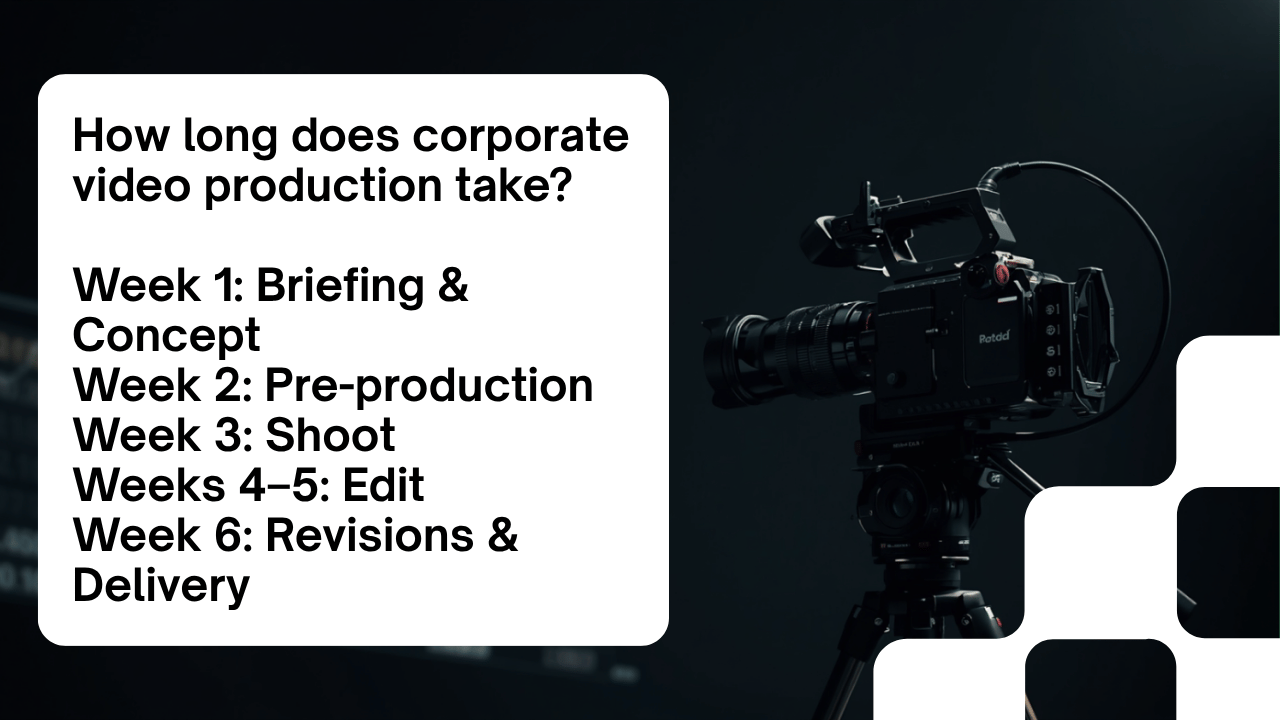
A 2.0 build is one or two production days. Majortale captures the Essentials (interviews, brand narrative, product, hero pieces) and volumes of footage simultaneously: wide shots, drone, hands at work, environment, the moments around the moments. Post-production runs through a four-round Frame.io feedback loop so nothing slips.
You walk out with the finished films in every format, and a Collection organised by People, Products, Drone, Locations, and B-roll, ready for whoever opens the folder. (For how a full shoot runs from brief to delivery, see video production in Belgium, from strategy to delivery.)
After that, the library grows. Footage from every campaign, trade show, and new product launch feeds back in. The Collection compounds, and the cost per piece of content drops every quarter it lives. By year two, your performance team is building new ad creative from material your company owns, and your team is shipping recruitment posts that do not look like an intern made them.
If your marketing team is running on screenshots and one-off shoots, you have a foundation problem. Majortale can show you what your 2.0 could look like in twenty minutes.
Book a 2.0 intro call with Majortale
Keep reading: Video in 2026: what still works and what to drop, Why most corporate videos fail, and what Belgian brands are doing differently