Video production in Belgium costs €2,000 to €4,000 for a simple company video or testimonial, and €6,000 to €15,000 for a full content day producing multiple formats. Majortale's benchmark: one shoot-day campaign for VitraPack generated 87 qualified candidates in three months at €70 per application, cheaper than any recruitment firm. Cost is driven not by video length but by four factors: planning, shoot day scope, number of formats, and how much the footage gets reused.
- Simple company video or testimonial: €2,000 to €4,000
- Full content day with multiple formats: €6,000 to €15,000
- VitraPack benchmark: 87 qualified candidates in 3 months, €70 per application
The question is not what the video costs. It is what it returns.
How did video production shift from single deliverables to one shoot day?
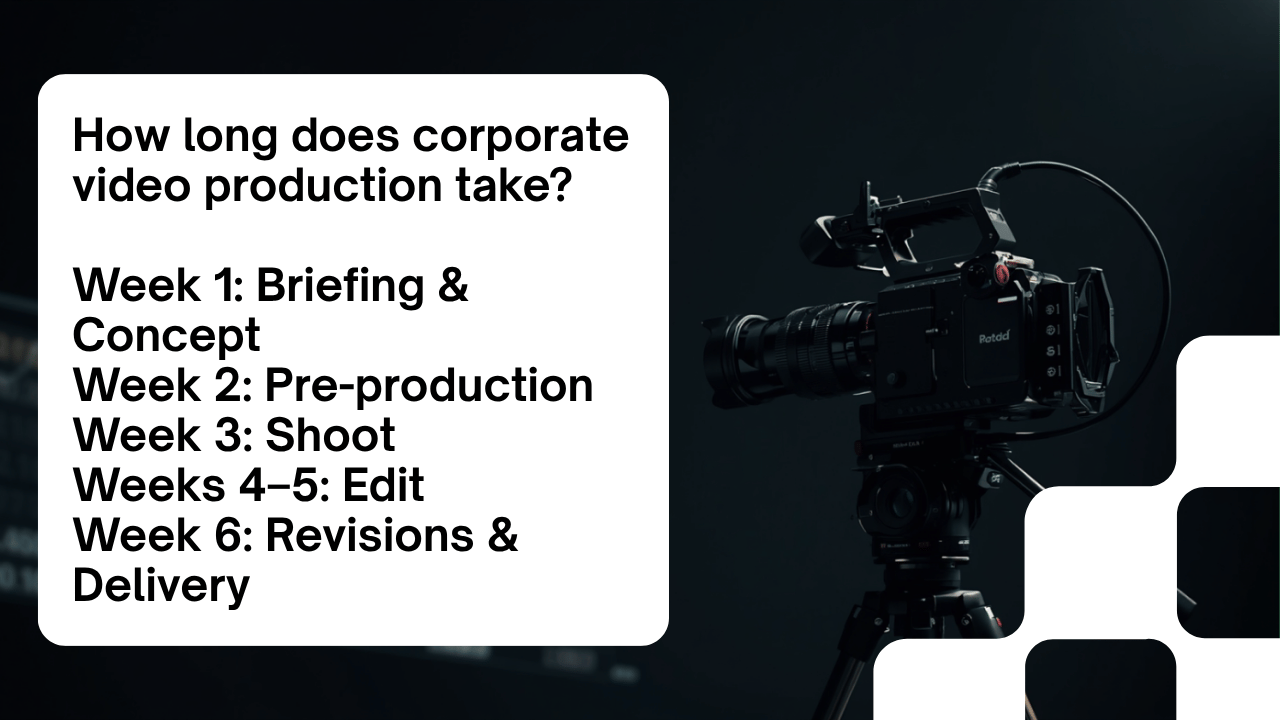
Production used to center on one final piece. Weeks of planning, days of shooting, more weeks in the edit. All for a single video. Today it is built around efficiency: one shoot day has to serve sales, marketing, recruitment, and social simultaneously.
Companies now need short clips, testimonials, UGC-style content, cinema-quality footage, and channel-specific formats all from the same production day. That shift changes the budget conversation entirely. A shoot day is not just expensive because you are filming. It is valuable because you are extracting maximum content from it.
What actually drives video production cost in Belgium?
Video production costs come down to four things: planning and strategic decisions, the shoot itself, number of formats, and how much the footage gets reused. Not the length of the final video.
Good planning upfront costs more in thinking but delivers exponentially more afterward. With VitraPack, Majortale planned every format in advance: which angles mattered, how footage would flow between deliverables. The shoot executed that strategy. Result: 87 qualified candidates in three months at €70 per application.
Changes on set, re-shoots, and unclear direction are where budgets spiral. Those hidden costs dwarf the original quote.
What do realistic video production budgets look like in Belgium?
- Simple company video or testimonial: €2,000 to €4,000: one location, one crew member plus director, one finished piece plus a couple of clips
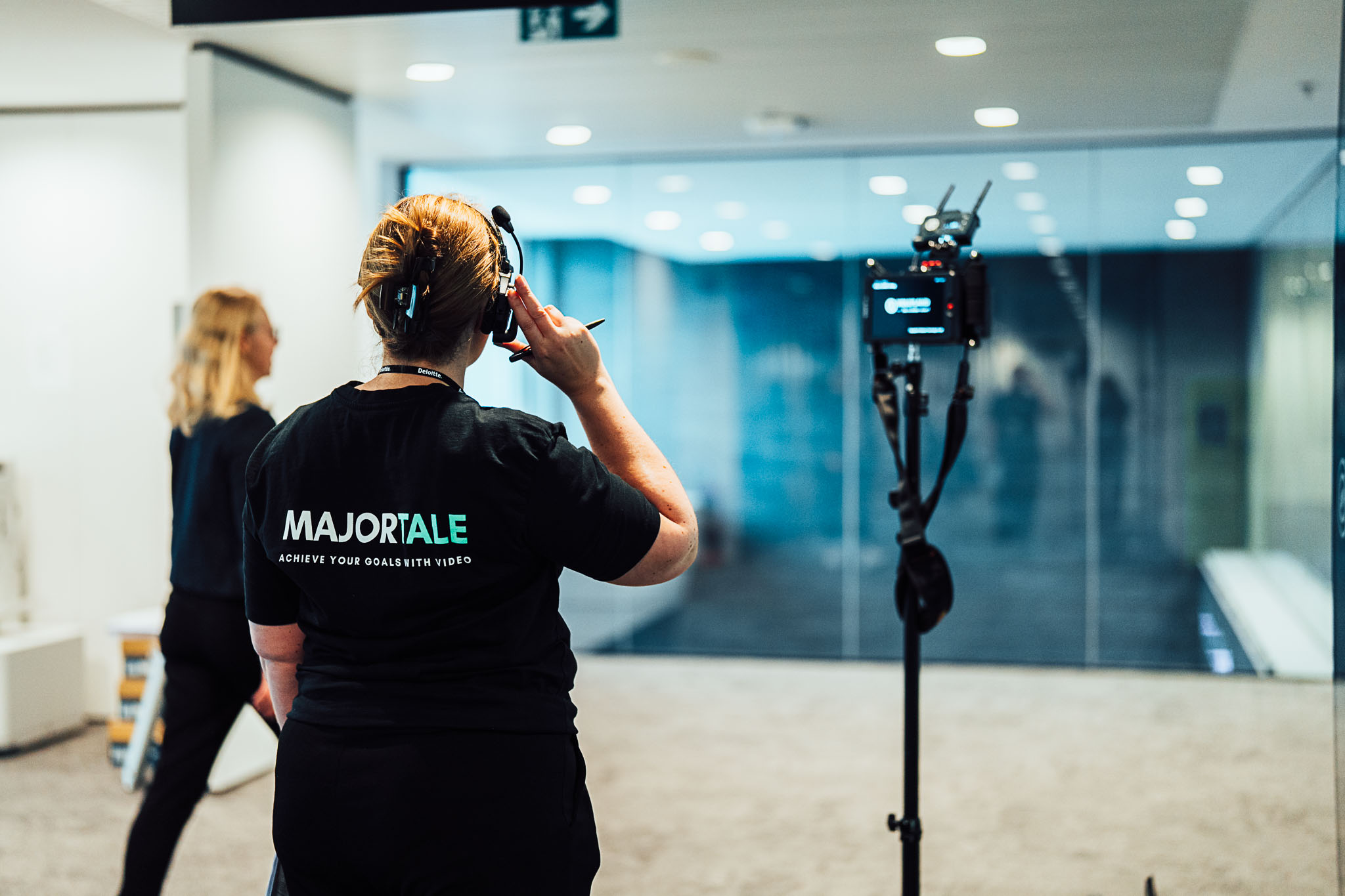
- Full content day with multiple formats: €6,000 to €15,000: multiple locations, larger crew, professional talent or real employees on camera, complex edit and colour grade
The real question is not what it costs. It is what it returns. When one shoot day generates content that fuels sales, marketing, and HR for six months, the investment math works fast.
Why does planning cost more than shooting, and why is that a good sign?
The biggest shift in modern production is not cameras or technique. It is strategy. Before recording starts, decisions are locked: which formats are needed, what stories matter, how content gets reused, who is in front of the camera.
When companies skip planning ("let us shoot and figure it out in the edit"), budgets balloon and results disappoint. When planning is right, the shoot runs smoothly and the edit is straightforward. This is why Majortale's Pre-Production Meeting is not an extra cost. It is part of smart budgeting.
How does footage reuse multiply the ROI of a shoot day?
A 10-minute corporate film becomes a 2-minute sales tool, five 30-second social clips, a testimonial fragment, a website header, and recruitment material. All from the same shoot day. That is not additional cost. That is intelligent deployment of material you already own.
In Belgium, where budgets are tight and waste is frowned upon, this approach pays off. You are maximising what you already paid for. Companies that maximise their shoot days see better ROI because they are deploying what they own more strategically, not constantly paying for new production.
Why doesn't video length determine the price?
Most companies ask "how much does a 5-minute video cost?" as if length drives the price. It does not. What matters is scope: how many locations, how much crew, how much planning, how many formats, and how much edit time.
A 2-minute video shot in one location can cost more than a 10-minute documentary if it requires specialist equipment, complex lighting, or specific talent.
What is the right question to ask about video investment?
Instead of asking "what is the cheapest option," ask: "what would we need to produce to make this pay off?" That reframes the whole conversation from cost to results. In Belgium's market, that clarity builds trust, and confident spending leads to better creative decisions and better outcomes.
Book a 20-min call with Majortale to see what you could produce