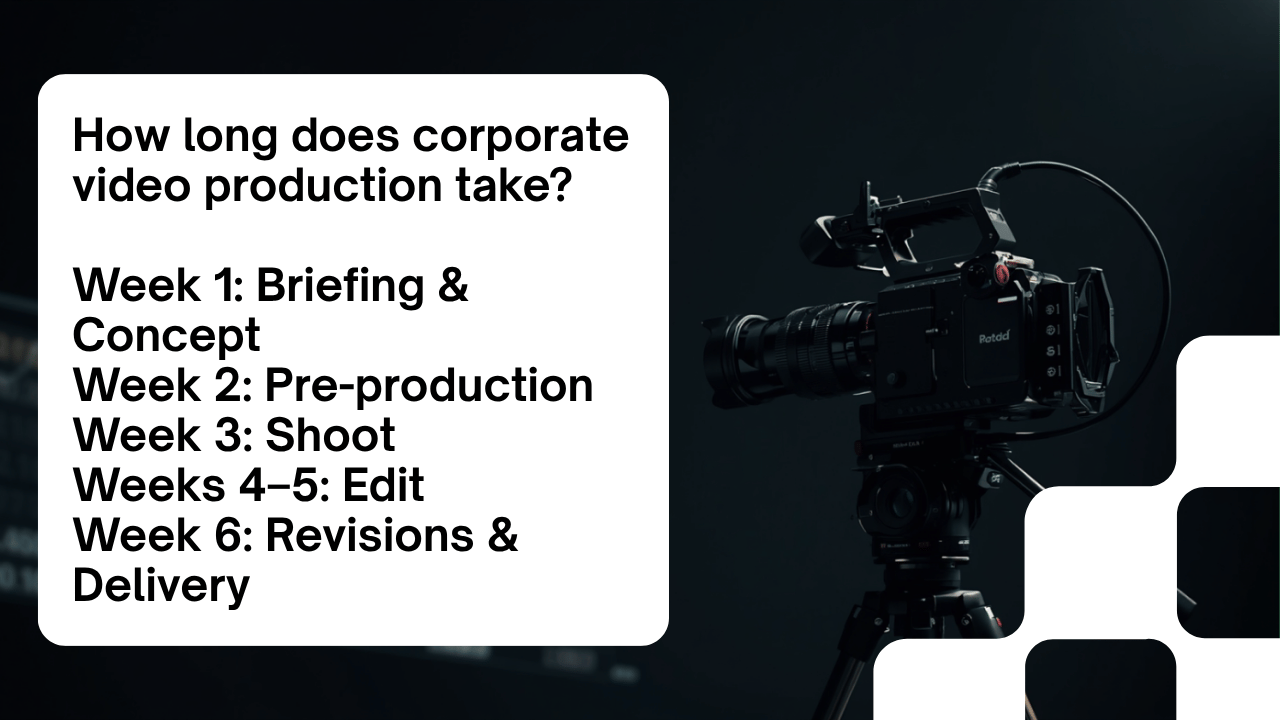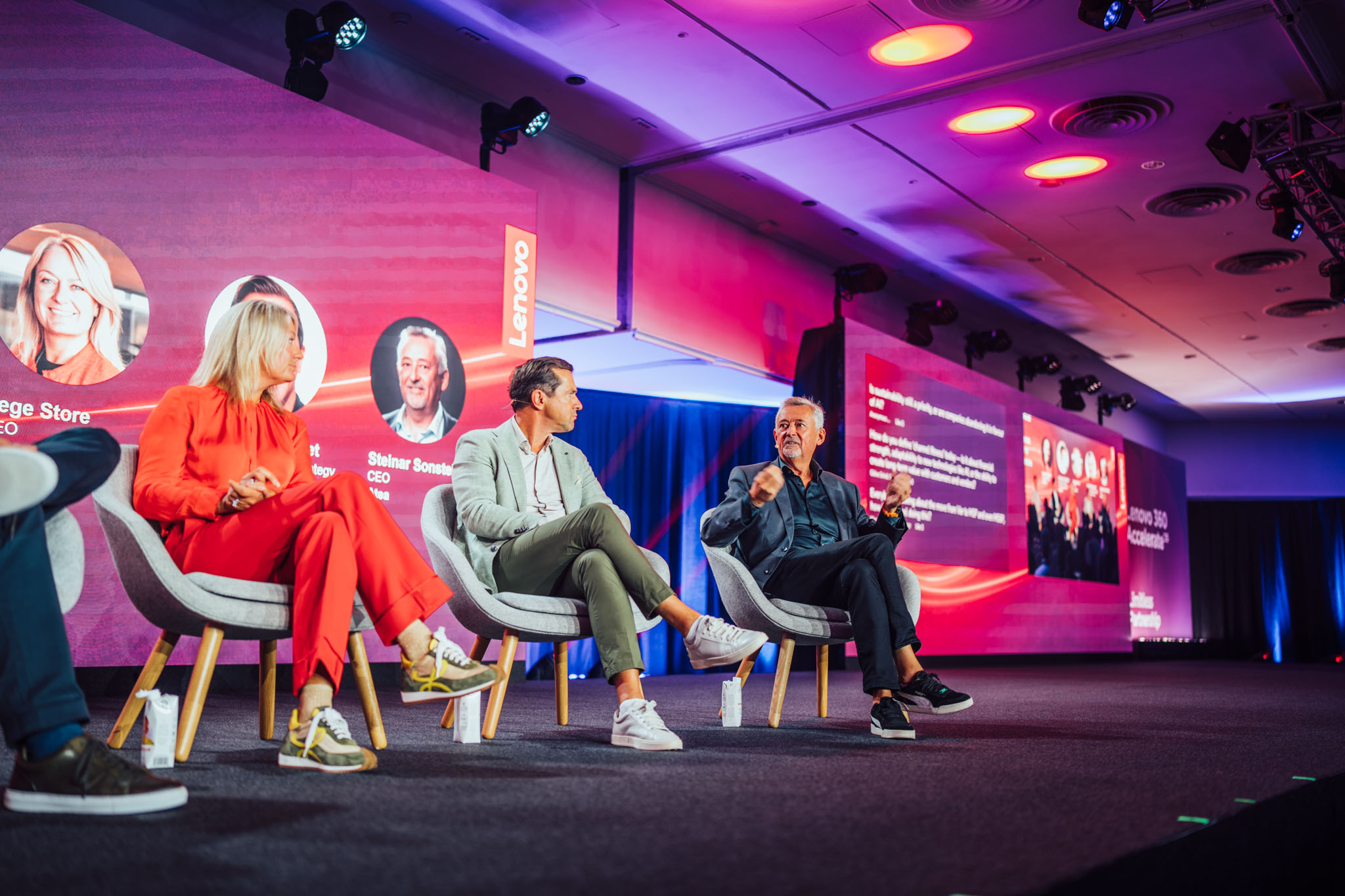

The classic corporate film still exists. Drone shots. Quiet music. A voice explaining who you are. Yet many of these films feel dated and disconnected from reality.
Not because they're poorly made technically. Because they don't answer what viewers actually want to know. They feel like the company talking to itself instead of the company talking to the audience.
Why many corporate films miss their mark
Many Belgian corporate films try to say everything. History. Values. Services. Team. Vision. Culture. Process. Result: a long video with no focus. Viewers see images but feel no direction. They finish watching and don't remember a single core message.
A corporate film doesn't need completeness. It needs clarity. What do you do, for whom, and why does that matter? If you can't answer that in one sentence, your film won't answer it in four minutes. The sentence first. Then build the film around that sentence.
The second mistake: trying to appeal to everyone. Corporate films that attempt to work for sales, recruiting, marketing, and investors simultaneously work for none of them. Each audience needs different information at different moments. Trying to serve all of them dilutes everything.
What a strong corporate film does now
Good corporate film starts from viewers, not the company. What should they understand after watching? What question should it answer? Not "What should we say about ourselves?" but "What does the audience need to know?"
Maybe: why you work differently than competitors. Maybe: how collaboration actually looks inside your organization. Maybe: what clients should expect when they work with you. Maybe: what makes your culture distinctive. The sharper that choice, the stronger the film. Simplicity always wins.
A strong corporate film focuses on one insight about the company and builds everything around proving that one insight. "We solve complex problems differently." That's the insight. Everything after that explains what differently means and shows it in action.
Context beats length
In Belgium, we see shorter focused films work better than long general ones. Not because people have no time. Because they want to understand quickly if something's relevant to them.
A corporate film that makes its point in 90 seconds is stronger than one needing four minutes. Every frame should matter. What doesn't add something specific to the core message, doesn't belong. This discipline makes films memorable.
This also works better for digital deployment. A 90-second film gets finished on mobile. A 4-minute film gets abandoned. If you want people to actually watch what you make, respect their time and attention.
Think beyond one video
A corporate film doesn't have to be a solo product. Smart companies use the same shoot day for multiple formats: short snippets, team videos, sales visuals, recruiting content, internal materials.
The film becomes the starting point for a bigger content strategy. Not a one-time investment forgotten after weeks. You're getting months of content from one shoot day because you planned multiple outputs from the beginning.
This changes how you think about the shoot day itself. You're not just filming a film. You're gathering material that becomes a film, short videos, snippets, interview clips, and social content. That thinking shapes what the camera captures and how you'll approach editing.
Belgian values make the difference
The Belgian market wants credibility. Inflated claims or overly polished stories backfire. Calm images, clear language, real people build more trust than production spectacle.
A corporate film must match reality. What you show should be recognizable to people who later reach out. Otherwise the trust the video built disappears immediately when they interact with the real company and find something different.
This means: real people instead of actors (or if you use actors, real situations). Real locations instead of studio sets. Real conversations instead of scripted statements. Real pace instead of manufactured energy. Authenticity is the production value that matters most.
Storytelling structure that works
Use a simple structure: opening hook (why should I care), context (here's the situation or problem), approach (here's how we think about it), proof (here's how we do it), outcome (here's what happens because of our approach).
That's not creative. It's not novel. But it's clear. It works every time. It works because audiences follow that logic naturally. They want to understand the problem first, then the solution, then proof it works.
Don't get fancy with structure. Fancy structure confuses. Clear structure sells. Save creativity for content, not form.
Making the film memorable
Memorable films usually have one visual signature and one tonal signature. Maybe you use natural light and real locations. Maybe you feature real people talking directly to camera. Maybe you're honest about problems instead of pretending everything's perfect.
That signature is what makes people remember you. It's not flashy. It's distinctive. When people see that visual approach or hear that tone, they think of you. Build on what's distinctive about your company instead of copying what other companies do.
Deployment and measurement
A corporate film isn't a thing you make and release once. It's a piece you deploy consistently. On your website. In emails to prospects. In presentations. On LinkedIn. Over months.
Measure not just views, but engagement. Do people finish watching? Do they move forward in the sales process? Do they apply for jobs? Do team members watch it with pride? Those measures matter more than view counts.
Ready to make a corporate film that actually works? We always start with strategy before any production. Let's figure out what your audience needs to hear, then we'll build images around that.