Case videos are powerful. Most miss the mark. Not because they're badly made—but because they show the wrong thing. A happy customer smiling at the camera saying everything was amazing convinces no one anymore. Everyone's seen that video. Everyone's skeptical of it.
Real case videos do something different. They show real struggle, real decisions, and real results. They build trust through recognition, not through performance. And that changes everything.
Why case videos are so strong
Case videos show proof. Not in numbers or claims, but in context. A viewer sees how another company recognized a problem, made decisions, and reached a solution. They watch the journey, not just the destination.
For Belgian companies—where trust and caution matter—that works better than any sales pitch. You don't have to convince. You just show. The viewer recognizes themselves in the story. They think "that's us. That's our problem." Suddenly they're interested.
A good case video is a mirror. Your prospect looks at it and sees themselves. Not as a perfect customer, but as a real company facing real challenges. That recognition is where trust gets built.
Where most case videos go wrong
Many case videos are too polished. They skip over hard moments and focus only on success. That makes the story feel unrealistic. The client is always happy. The process always goes smoothly. The results are always amazing.
When everything looks perfect, viewers check out. Recognition disappears. Without recognition, there's no trust. Worse, skeptical viewers assume you're hiding something. If everything went perfectly, what didn't you show us?
The best case videos show the hard moment. The doubt. The question mark before the solution. That's what makes them believable. That's what makes them work.
What a strong case video actually shows
A strong case video covers four things: the starting point, the challenge or doubt, the approach, and the result in context. Not every detail—but the relevant path. You're not making a documentary. You're telling a story that takes people from problem to solution in a way they recognize.
With VitraPack, we showed the full journey: from HR frustration with temp agencies, through a video approach that landed 87 qualified applications in 3 months. Including the initial doubts. "Will video actually work for recruitment?" "How do we do this without it looking fake?" That made it believable. The viewer thought "yeah, we'd have those doubts too." When those doubts get addressed, suddenly the solution seems real.
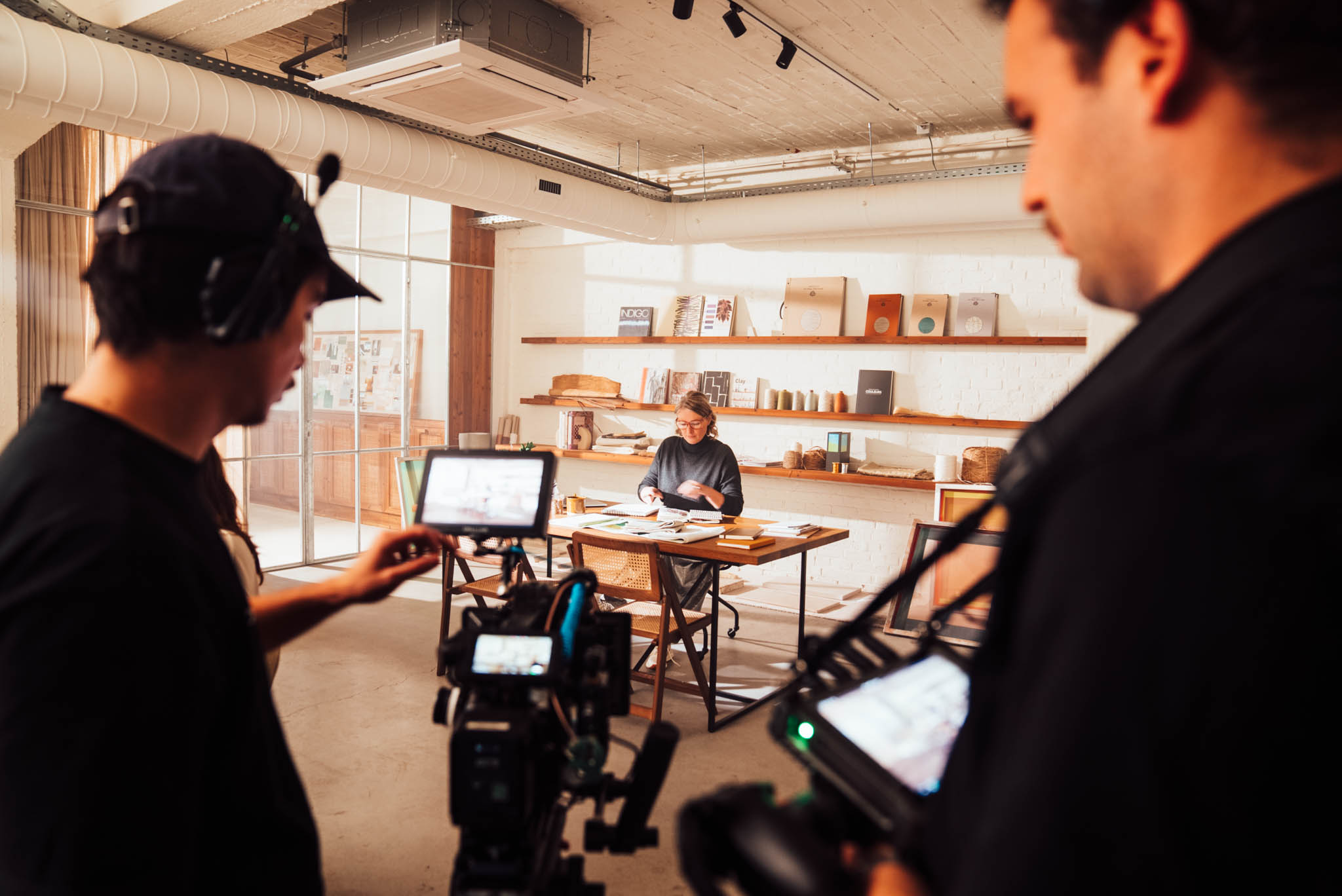
The structure matters more than the polish. A shaky handheld shot of someone explaining the challenge beats a perfect lighting setup where someone reads a script. Authenticity beats production value.
The role of the client
The client isn't an actor. They're the storyteller. No rehearsed lines—their own words. That takes trust and guidance, not a script. You prepare them. You create safety. You ask good questions. But they tell the story in their own voice.
When a client can be themselves, the case video becomes convincing without selling. That's the difference between testimony and advertisement. You hear someone real talking about a real situation. You believe them immediately.
This is why client chemistry matters. We spend time understanding the client's story before we roll camera. We know what moments matter. We know how to ask questions that get genuine answers. That preparation is invisible in the final video. But it's what makes the video work.
Case videos as sales tools
In sales, case videos are particularly strong. They answer questions without pushing. They show what collaboration looks like and what to expect. A prospect watches your case video and thinks "okay, I understand how you work. I see what happened with that company. I can imagine ourselves in that situation."
Short clips from case videos work great to send before a first meeting—so prospects already know who you are, how you work, and what they're in for. That call starts on completely different footing. The prospect isn't meeting you for the first time. They're continuing a conversation they started by watching.
Some of our best case videos get chopped into 30-second clips that sales teams send via email. Not the whole story. Just the most relevant part. But enough context that prospects understand immediately whether you're a fit.
Go beyond one case
Case videos don't have to be standalone projects. Fragments, quotes, and visuals can be reused in marketing, sales, and recruitment. One case becomes a content source that keeps working for months. A 5-minute case video becomes ten different 30-second clips, each optimized for a different moment in the customer journey.
That multiplier effect is what makes case video investment smart. You shoot once. You produce endlessly. The first month after shooting, you're still cutting new clips, finding new angles, discovering new uses. Your case video keeps earning back its cost long after the shoot ended.
Building a case library
The real power isn't in one great case video. It's in building a library of cases that show different angles, different industries, different outcomes. One case shows how you handle scale. Another shows how you work with startups. Another shows recruitment. Another shows internal comms.
With a case library, prospects see themselves represented. Your solution works across different contexts. That breadth builds confidence. One case video is nice. A case library is a sales system.
Ready to build a case video that actually builds trust and moves sales forward? We'd love to work with you on your client story—we'll make sure it's authentic, relevant, and powerful.